In the late 19th century, Hawaiian music became quite popular nearly around the world. Originating from Regge music that was born in Jamaica, “Jawaiian” is the Hawaiian style of Regge music across the islands. Hawaiian music was rooted from older religious chants and hymns, later mixing them with musical rhythms. As Hawaii is part of the United States, they express their unique identity through a Hawaiian drum dance chant, referred to as Mele Hula, as the dances are accompanied by traditional instruments like the drums and ukulele. To this day, it remains as a vital part of their culture and music.
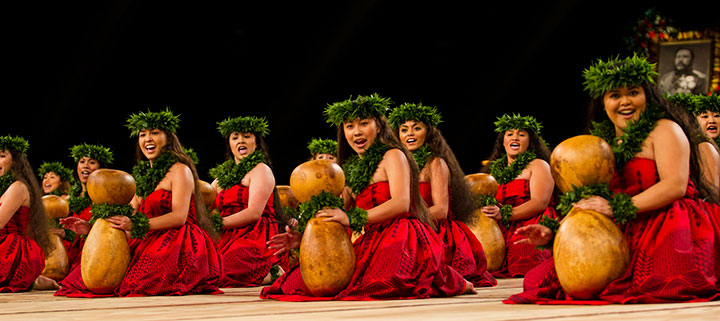
In 1878, Queen Liliuokalani created one of the most famous compositions in Oahu, Hawaii. The song, Aloha ‘Oe was composed as Liliuokalani was under house arrest at the Lolani Palace, as this song exhibits the beautiful, traditional culture of Hawaii. The song has become so popular often being played at local funerals, or sometimes weddings. It has frequently been seen as a farewell, sad song, yet the artist herself insisted it is a love song. In an esteemed panel of Hawaiis most popular artist, the article expresses, “”In the opening lines, the queen describes in Hawaiian the proud rain upon the cliffs, seeking out the lehuā flower. “The rain represents semen falling from Wākea, sky father, seeking out Papahanaumoku, earth mother,” explains Dr. Kekuni Blaisdell, who helped research and publish The Queen’s Songbook, a collection of 55 of her compositions. “It’s a poem about love and passion, man and woman. It’s much, much more than just goodbye.””
The musical elements of this traditional piece showcase Hawaiis use of the ukulele, distorted steel guitar and the harmonies of voices creating a slow tempo and rather large range towards the end of the song where her voice creates a large degree of volume in her performance.
The lyrics of this piece have caused a large amount of confusion throughout time as to where and why this song might be played. As you probably cannot understand the lyrics, here is a translation below.
Aloha ‘Oe (Hawaiian)
Words and music by Queen Liliuokalani
Ha’aheo ka ua i na pali
Ke nihi a’ela i ka nahele
E hahai (uhai) ana paha i ka liko
Pua ‘ahihi lehua o uka
Hui:
Aloha ‘oe, aloha ‘oe
E ke onaona noho i ka lipo
One fond embrace,
A ho’i a’e au
Until we meet again
‘O ka hali’a aloha i hiki mai
Ke hone a’e nei i ku’u manawa
‘O ‘oe no ka’u ipo aloha
A loko e hana nei
Maopopo ku’u ‘ike i ka nani
Na pua rose o Maunawili
I laila hia’ai na manu
Miki’ala i ka nani o ka lipo
Aloha ‘Oe (English)
Proudly swept the rain by the cliffs
As it glided through the trees
Still following ever the bud
The ahihi lehua of the vale
Chorus:
Farewell to you, farewell to you
The charming one who dwells in the shaded bowers
One fond embrace,
‘Ere I depart
Until we meet again
Sweet memories come back to me
Bringing fresh remembrances of the past
Dearest one, yes, you are mine own
From you, true love shall never depart
I have seen and watched your loveliness
The sweet rose of Maunawili
And ’tis there the birds of love dwell
And sip the honey from your lips
Among the many amazing Native Hawaiian singer-songwriters, Israel Kamakawiwo’ole, also known as IZ, was an incredible well-known Hawaiian musician and sovereignty activist. In Hawaiian his last name translates “the fearless eye, the bold face.” As early as 10 years old, IZ would perform at his parents work with his ukulele, singing to locals expressing the values and bringing his people together. It was in the summer of 1997, the beloved Hawaiian artist passed away at 38 years old from respiratory failure, as he went down in history. Many people know him from his song “Somewhere Over the Rainbow”, which became one of the most popular songs among the islands and outside as well. The song called, “Hawaii ’78” is one of Israel’s most powerful songs that originated out of Palehua, in Leeward Oahu, a very sacred place to the Hawaiian culture that was released in 1993. The song was originally written by Mickey Ioane and performed by IZ’s former band, the Makaha Sons of Niihau, as he took on his own version. The musical elements showcased in this song exhibit the old chanter and rather large collection of Hawaiian instruments used, starring the ukulele. The one and only session they had performed will forever be apart of Hawaiis heart. The pureness in the harmony among the groups vocals create a soft yet strong melody that embodies the sound of Hawaiians tradition music. Israels range is incredible as he sings over the pace of the song that moves along with the crescendo of the song, hitting the heart and the importance of Hawaii.
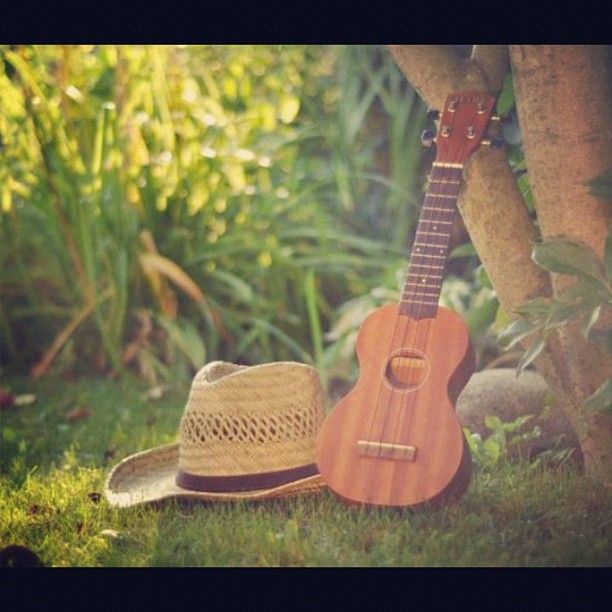

My personal experiences in Hawaii and the local music have always been phenomenal. No matter the artist, the ukulele is always being used and the live performance is filled with soul and peace. Hawaiian music will always hold a special place in my heart whether it was released in the 19th century, or yesterday.
Keeny, Michael. “50 Greatest Songs of Hawaii.” Honolulu Magazine, 2007, http://www.honolulumagazine.com/Honolulu-Magazine/June-2007/50-Greatest-Songs-of-Hawai-8217i/.
Deniz, Lacy. “Power of Palehua: How IZ Got His Inspiration for ‘Hawaii ’78’.” Https://Www.hawaiinewsnow.com, 16 Nov. 2018, http://www.hawaiinewsnow.com/2018/11/15/power-palehua-how-iz-got-his-inspiration-behind-hawaii/.
Kamakawiwo’ole, I. (2010). “Youtube Hawaii ’78”
Liliuokalani, Q. (2012). “Youtube Aloha ‘Oe”
 morgan's music blog